
Existential Threat vs. Existential Crisis
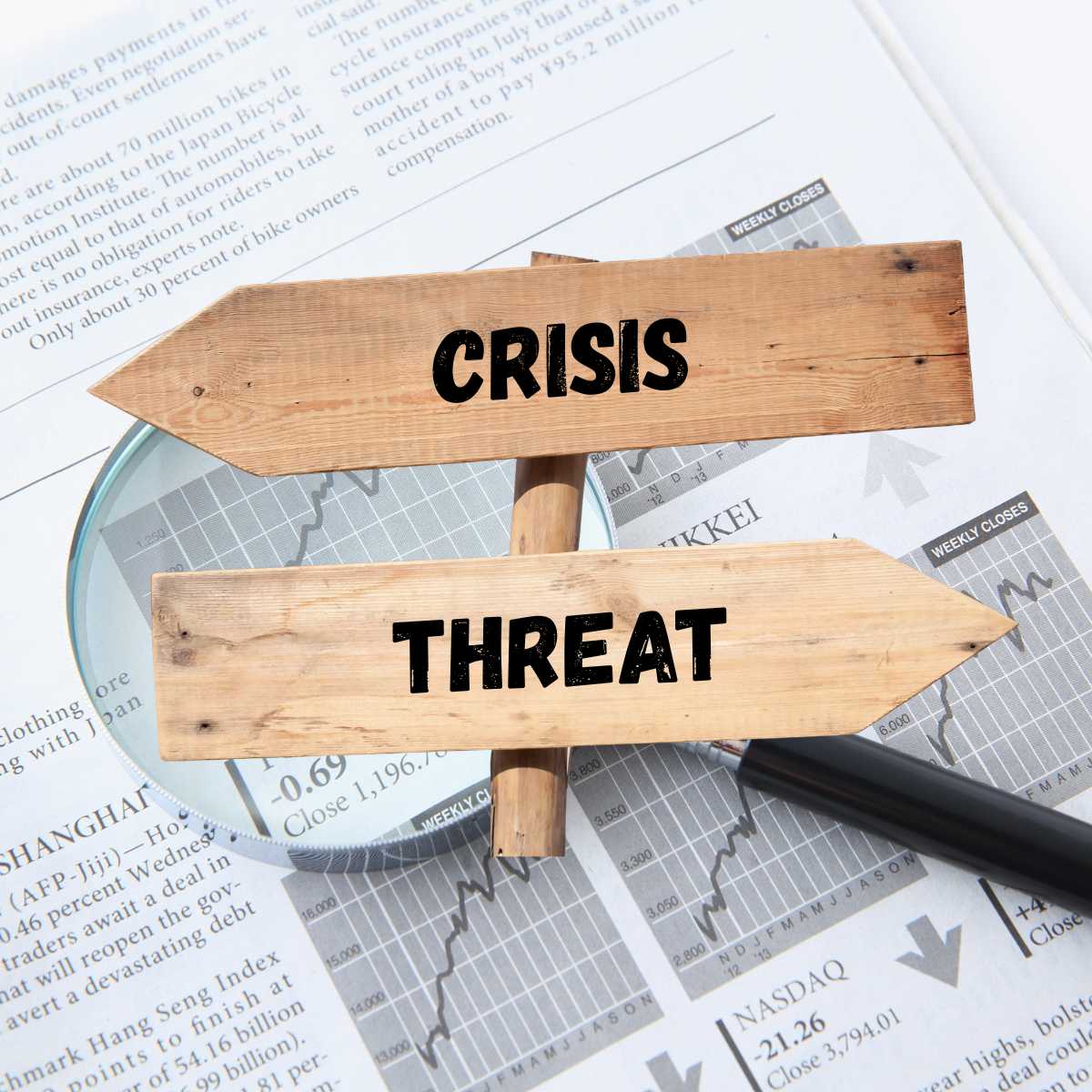
Most software companies feel pressure right now. Growth is slowing. Budgets are tightening. Sales cycles are stretching. Customers are louder. Competitors are moving faster.
The mistake is treating all of this as the same kind of problem. There is a critical difference between an existential crisis and an existential threat, and confusing the two leads to the wrong decisions, the wrong urgency, and the wrong investments.
What an Existential Crisis Really Is
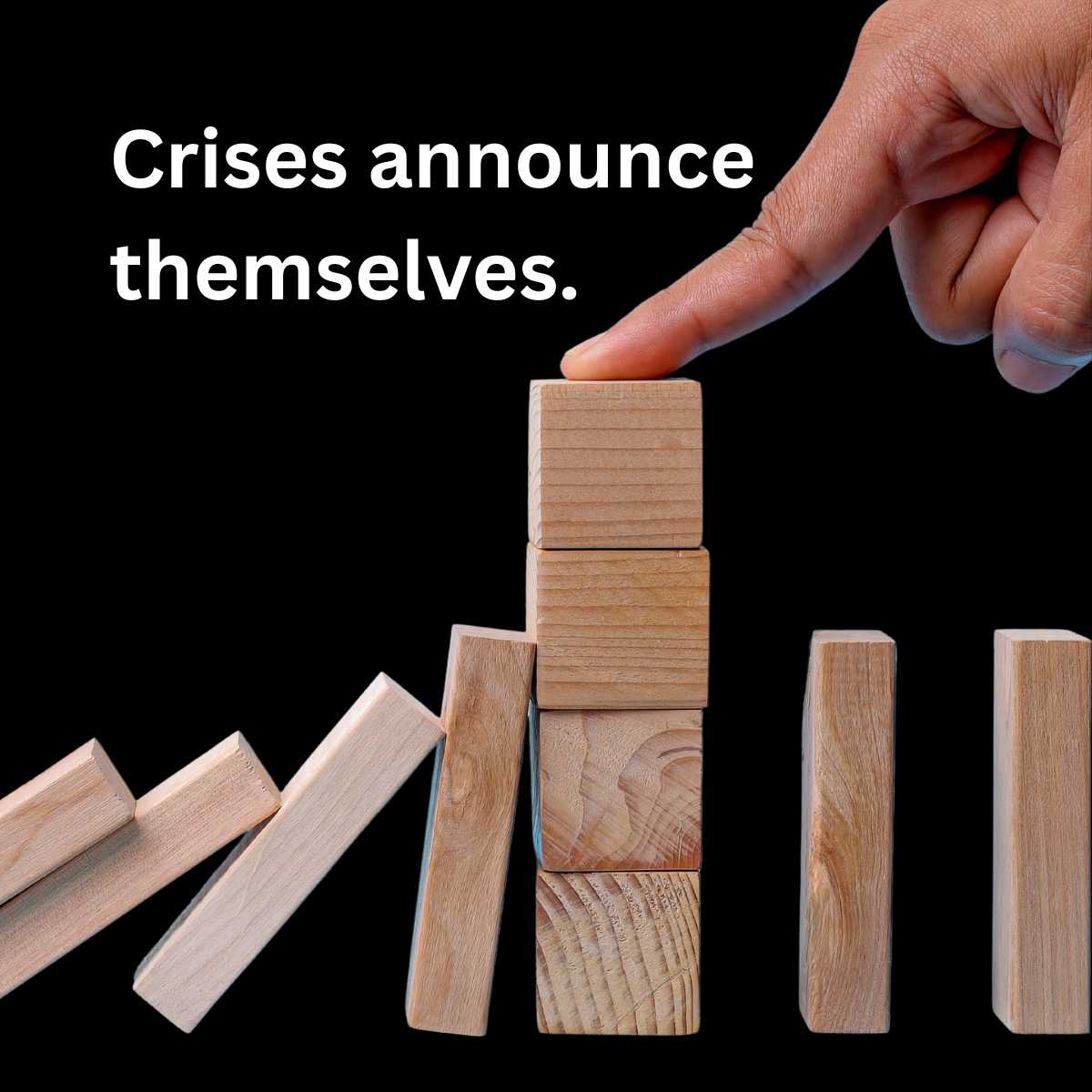
An existential crisis is painful, visible, and disruptive. It feels urgent because it is happening now.
Common signals:
- Revenue is down quarter over quarter
- A major client churned or is threatening to leave
- Costs are out of control, and margins are shrinking
- Delivery is slipping, and teams are overwhelmed
- Leadership is under pressure from the board or investors
In an existential crisis, the business is still viable. The model still works. Customers still want what you sell. The company is struggling to execute under current conditions.
Crises demand action, but they are solvable with focus, discipline, and operational correction.
Many companies survive crises. Some even come out stronger.
What an Existential Threat Actually Looks Like
An existential threat is quieter and more dangerous, often invisible to leadership until it is too late to correct.
It is not about this quarter. It is about whether the company can continue to exist in its current form.

Common signals:
- The core delivery model no longer scales economically
- Engineering output cannot be reliably predicted or governed
- Leadership decisions are based on inaccurate or incomplete data
- The company cannot explain where time, money, or capacity is actually going
- AI, automation, or competitors are changing expectations faster than the organization can adapt
An existential threat is structural. It lives inside how work is planned, executed, measured, and trusted.
Often, that erosion begins with inconsistent standards for what “done” actually means across teams, and knowing when your definition of done is lying to you.
The company may still be profitable today. Customers may not be complaining yet. The foundation is already eroding.
By the time the threat becomes a visible crisis, options are limited.
Why Most Organizations Misdiagnose Their Situation
Leaders tend to react to what hurts the most right now.
Revenue pressure triggers sales pushes. Delivery pain triggers hiring freezes. Quality issues trigger process theater.
But surface pain often masks deeper problems:
- Missed deadlines are blamed on engineers instead of broken planning signals
- Margin erosion blamed on pricing instead of uncontrolled scope and rework
- Burnout is blamed on workload instead of invisible work and poor prioritization
Treating structural threats as short-term crises creates temporary relief and compounds long-term damage.
Where Is Your Organization Right Now
Ask these questions honestly. Not aspirationally.
You are likely in a crisis if:
- Problems are recent and tied to specific events
- Leadership can clearly articulate the root causes
- Fixes are operational, not foundational
- The business worked well under similar conditions before
You are likely facing a threat if:
- The same problems keep reappearing in different forms
- Delivery outcomes consistently surprise leadership
- Financial forecasts change after engineering work is already done
- No one fully trusts the data coming out of Jira, financial systems, or status reports
- AI feels like a buzzword instead of a concrete operating advantage
A crisis strains the system. A threat exposes that the system itself is broken.
How to Assess Your Position Without Lying to Yourself
Most organizations fail this step because they measure activity instead of reality.
Assessment is not about dashboards. It is about traceability and trust, a shift in leadership visibility that determines whether performance is real or performative; this visibility is the hidden lever of fair leadership.

Start with 3 non-negotiable questions:
- Can you trace revenue to work, work to teams, and teams to outcomes without manual reconciliation
- Can leadership explain, in plain language, where engineering capacity is being consumed right now
- Can you predict delivery, margin, and risk with confidence before the work is finished
Look for signal decay
Threats show up as signal loss:
- Jira data that no one trusts
- Estimates that exist only to satisfy a process
- Status updates that sound positive but explain nothing
- Financial surprises that appear after delivery, not before
When signals decay, decision quality follows.
The Hard Truth
Crises demand speed. Threats demand honesty. Speed without honesty amplifies risk.
Most software companies do not fail because of a single bad quarter. They fail because they operate too long without clear visibility, accountability, and alignment between engineering, finance, and leadership.
AI does not prevent crises. It exposes threats. When properly implemented, it surfaces signal decay early, reveals where capacity and capital are actually going, and forces uncomfortable clarity about how work is executed and governed.
For executives, that difference matters. AI can either accelerate a broken system or make visible the structural weaknesses that must be addressed before speed becomes fatal.

The companies that survive the next decade will not be the ones that work harder. They will be the ones that know, in real time, what is happening inside their systems and can adapt before pain becomes fatal.
If you are not sure which situation you are in, that uncertainty itself is a warning sign.