The 3 Phases of AI Adoption and the Mess Everyone Has to Go Through
AI adoption rarely begins with strategy.
It begins quietly. An employee tries a tool. Someone else copies a prompt. A small win spreads through a team’s Slack channel. Productivity improves just enough to feel undeniable, but not enough to feel formal.
Before long, AI is being used across the organization, often without policy, coordination, or shared understanding. Not because leaders were careless, but because the pace of value moved faster than the pace of governance.
This pattern is not unique. We’ve now seen it repeat across organizations, industries, and functions. While the tools change, the trajectory does not.
Most companies move through the same phases of AI adoption. They differ in timing and intensity, but not in shape.
Phase 0: Shadow AI and Organizational Chaos
The first phase is almost never planned.
Employees start using AI on their own. Sometimes through paid subscriptions, often through free tiers. Prompts are written quickly. Documents are pasted without much thought. Context is shared because the output feels useful and the risks feel abstract.
From a governance perspective, this is a nightmare. Sensitive data may be exposed. There is no visibility into usage, and controls are nonexistent. This is how silent trust leaks begin.
From a human perspective, it is entirely understandable.
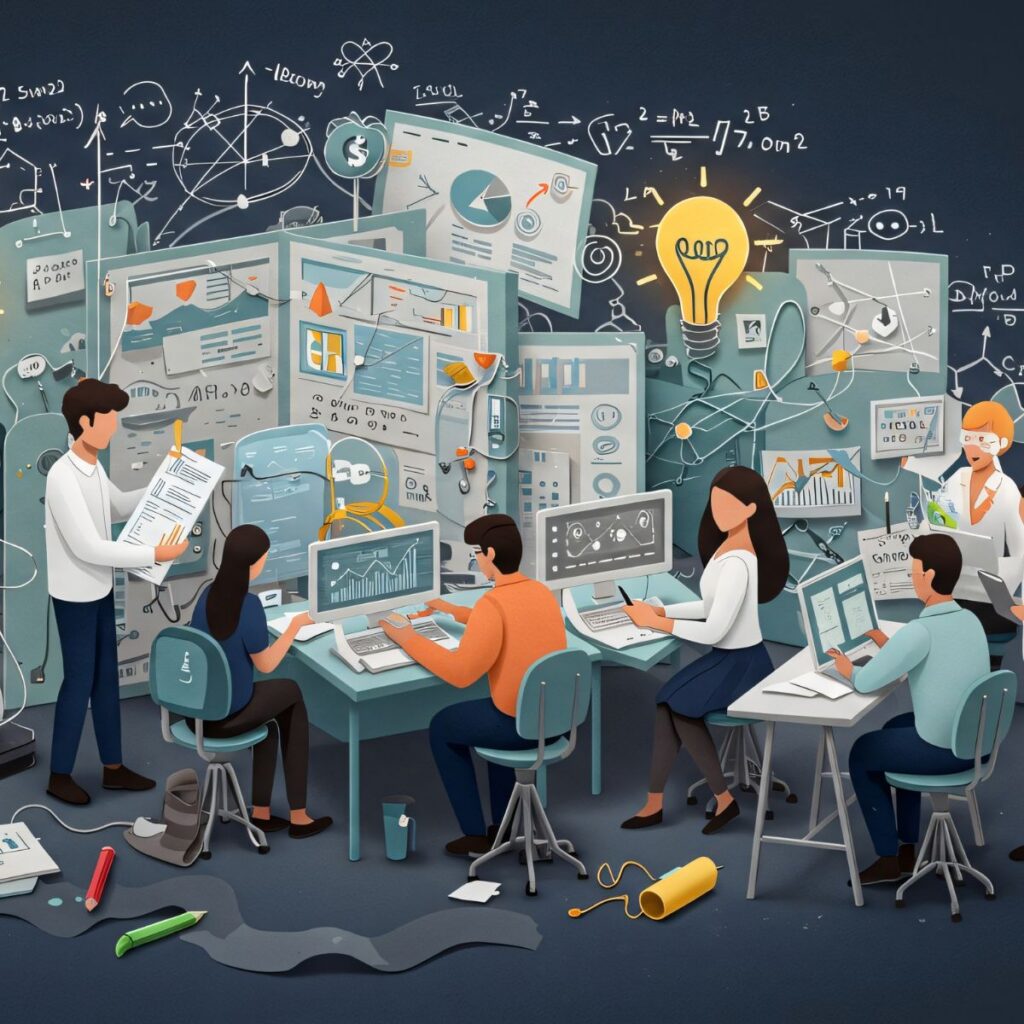
This phase is employee-driven, not mandated. In many cases, usage is quiet or even intentionally hidden. Management may not know it is happening, or may choose not to intervene because the early gains are obvious and the alternative feels like slowing people down.
Eventually, pressure builds. Executives hear about productivity gains. Departments start asking why some teams are moving faster than others. Procurement gets involved. Corporate accounts are created. There is now a way to pay for AI.
At this point, pricing decisions are often made under pressure. Contracts are signed quickly, usage patterns are locked in early, and cost structures form around habits that were never designed intentionally, often long before leaders understand how the AI cost curve compounds.
The chaos does not disappear. It simply becomes acknowledged.
Phase 0 ends not when order is restored, but when leadership accepts that AI is already in the building.
Phase 1: The First Organized Effort
This is where intent finally enters the picture.
Executives or department leaders step in and attempt to make AI adoption deliberate. Tools are evaluated. Processes are targeted for automation. Pilot programs are launched. Some teams succeed quickly. Others struggle.
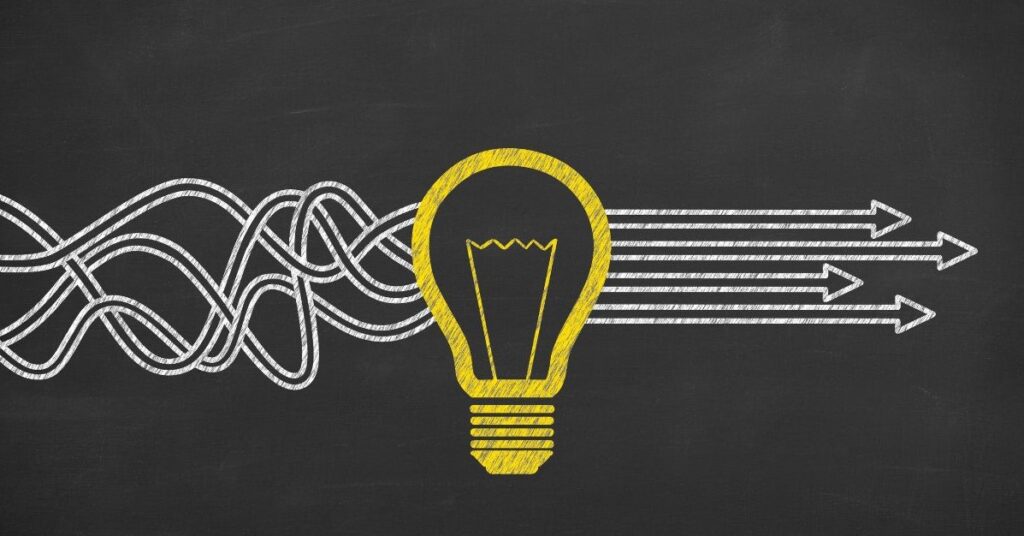
TWhat becomes clear very fast is that AI does not benefit all workflows equally. Some processes adapt naturally. Others resist. In some areas, the AI feels magical. In others, it feels brittle and frustrating.
At this stage, adoption is as much about learning as it is about implementation.
The end state is rarely elegant. Organizations end up with many tools, half-finished integrations, and uneven results. Some things work. Some do not. Tooling becomes a hodgepodge of off-the-shelf products and early custom work.
And yet, this phase is invaluable.
Here at Venuiti, we experienced this directly while building an AI subsystem to support accounting workflows. Early on, the system required constant instruction. We had to repeatedly tell it how to do its job, what mattered, and how to interpret outcomes. It worked, but only with significant human effort layered on top.
It was messy. It was inefficient. And it taught us exactly what mattered.
What becomes clear in this phase is that AI changes tasks long before it reshapes roles. The work shifts unevenly, creating confusion when organizations expect immediate role-level transformation.
The failures in Phase 1 are not
Phase 2: The First Consolidated Toolset
Armed with hard-earned lessons, organizations begin to consolidate.
Instead of dozens of disconnected tools, something more intentional emerges. A shared platform. A unified approach. A clearer sense of where AI should and should not be used.
This phase is often the most uncomfortable.
The tooling is clunky. It does not do everything teams want. In many cases, it does not do what it promises particularly well. Adoption becomes the real battle.
Employees worry about job security. New workflows feel slower than the old ones. Interfaces are painful. The learning curve is steep. Resistance grows, not because the technology is flawed, but because change is personal.
In practice, uncertainty creates more fear than change itself, especially when leadership avoids direct conversations about AI’s impact on roles and expectations.
In some organizations, this pressure leads to rushed decisions. Companies attempt to “push through” adoption by scaling too quickly or restructuring prematurely. Reports show that roughly 55% of employers who conducted layoffs in the name of AI later reported that they regretted those decisions, a reminder that when learning is skipped, the human and strategic costs surface fast.
And yet, glimmers appear.
Even imperfect systems begin to show leverage. Patterns emerge. Usage becomes more consistent. Learnings compound. Organizations start to see not just isolated wins, but systemic potential.
This is where many companies stall. Pushing through Phase 2 requires patience, trust, and a willingness to accept friction as part of progress.

Phase 3: The First Scalable Toolset
The shift into Phase 3 is unmistakable.
For the first time, the toolset works at scale. It is still imperfect. It still requires refinement. But the value is obvious enough that resistance fades.
Employees stop fearing replacement and start seeing leverage. Efficiency gains are real and measurable. Adoption accelerates because usefulness no longer needs to be explained.
This is where the most important inversion happens.
In Phase 1, humans tell the AI what to do repeatedly.
In Phase 3, the AI tells humans what it needs from them.
Returning to the accounting example at Venuiti, the system no longer waits for instructions. It now identifies priorities, highlights gaps, and requests the inputs it requires to move forward. The relationship flips entirely.
This 180-degree shift is the real transformation. Not automation, but collaboration at scale.

What This Journey Teaches
Several patterns hold across every organization we’ve observed.
First, you cannot skip Phases. The mess is the point. Early failures inform later success. But only if you apply your learnings to the next phase. Attempts to leap directly to scale almost always collapse under their own assumptions.
Second, adoption is human before it is technical. Fear of job loss is real. Friction with new tools is real. Even the best technology fails if people do not trust or understand it.
Third, tooling evolves alongside understanding. Off-the-shelf chaos gives way to custom experimentation, which eventually consolidates into scalable systems. Control increases as clarity improves.
Finally, learning consistently outpaces implementation in the early phases. Organizations that treat Phase 1 and Phase 2 as learning investments, rather than success metrics, move faster in the long run.
Industry data reinforces this pattern. Across enterprises, the ratio of experimental AI models to production systems has dropped dramatically as organizations mature. Production deployments are accelerating, not because experimentation stopped, but because it finally paid off.
What Organizations Learn the Hard Way
AI adoption is not a single decision. It is a journey with predictable phases, each carrying its own risks and rewards.
The organizations that succeed are not the ones that avoid chaos. They are the ones that recognize it, learn from it, and move through it deliberately.
Expect the mess. Budget for learning. Design for adoption, not just capability.
And most importantly, understand that the real transformation is not when AI works faster, but when it starts telling you what it needs to work well.
That is the moment scale becomes possible.